Crohn’s disease is an autoimmune disorder that results in
inflammatory bowel. While there is no cure for Crohn’s disease, there are many
medications that can help with the disorder. Some medications prevent symptoms,
some cope with the inflammation it causes, and some manage symptoms as they
occur. Of course, the fewer Crohn’s medications you are taking the better, and
there are some alternatives to the traditional medications as well.
Immune System Suppressors
The inflammation caused by Crohn’s is due to how the body’s immune system turns itself against the body. To eliminate or prevent symptoms, some doctors will prescribe immune system suppressors. These Crohn’s medications help tone down the effectiveness of your immune system, which in turn also prevents the immune system from attacking the body, and thus preventing flare ups of inflammatory bowel.
Some of the common immune system suppressors include:
- Azasan
- Imuran
- Purinethol
- Purixan
- Remicade
- Humira
- Cimzia
- Trexall
- Tysabri
One of the downsides of taking an immune system suppressant
is that it also prevents your immune system from fighting off other diseases,
viruses, and bacteria. If you take these medications long term you will be more
susceptible to illness.
One alternative to immune system suppressors is the
supplement BPC-157. Studies have found that this supplement is effective in
reducing the inflammation caused by Crohn’s disease. It is naturally occurring,
and therefore much easier on your body. It also does not have the effect of
making you more susceptible to other illnesses and conditions.
Anti-Inflammatory Drugs
Since Crohn’s is a form of inflammatory bowel disorder, anti-inflammatory drugs are often prescribed to limit symptoms. These Crohn’s medications of course come with their own side effects. Anti-inflammatory drugs are often prescribed prior to trying immune suppressants because they do not make you more likely to get sick from other causes. The most common of Crohn’s medications for this purpose includes corticosteroids and oral 5-aminosalicylates.
Again, if you are worried about side effects, there are some
alternatives. Watching your diet and eliminating inflammatory foods as well as
taking supplements such as BPC-157 can help eliminate or prevent inflammation
in the bowel and limit other symptoms.
Managing Symptoms
There are also many drugs that are used to manage the
symptoms of Crohn’s disease. Many of these medications are over the counter and
do not require a prescription. However, long term use of these medications can
also cause additional problems, as well as contribute to risk of health
conditions over time.
If you do have symptom flares, you can use these over the
counter medications to give you some relief from the effects. Anti-diarrheal
medications are usually a staple for people with Crohn’s, although long term
use of these medications has shown to increase risk of heart conditions.
Pain relievers, either over the counter or prescription, are
also typically used to help combat the chronic pain that many patients
experience. However, long term use of pain relievers can lead to an increased
risk of stomach ulcers, so they should be used wisely and as little as
possible.
Crohn’s can also cause deficiencies in vitamins and
nutrients. Many people with Crohn’s disease require supplements such as iron
supplements, Vitamin D, calcium, and Vitamin B12 shots. These are the nutrients
that Crohn’s tends to cause deficiencies in and they are important to your
overall health.
Alternatives to Crohn’s Medication
If you want to avoid the side effects from long term use of
all of these Crohn’s medications, there are many alternatives. Supplements
abound that can help reduce inflammation and prevent symptoms from flaring.
These supplements are often all natural and much safer than the medication
options available.
One of those supplements is BPC-157. This is a naturally occurring supplement that has been proven to assist people with ulcers and inflammatory bowel disease. According to several studies, including one by Sikiric et al at the University of Zagreb, shows that BPC-157 is completely safe and free of side effects, making it a healthier alternative to medications.
These studies have found that BPC-157 has wound healing properties that help heal ulcerations in the intestine that result from inflammatory bowel and Crohn’s disease. The supplement also has shown to be effective in preventing such ulcers. BPC-157 has also been found by the study to counteract severe complications of Crohn’s and irritable bowel disorder, through its effects on growth factors.
The Best Supplements
There are several supplements on the market containing
BPC-157, but some of them contain other additives and ingredients that are not
as save as the peptide itself. One of the safest ways to get the .5 milligrams
daily of BPC-157 that is recommended for the best results is transdermal. This
method prevents side effects from additives, because your body is only
receiving BPC-157 and not fillers or other ingredients.
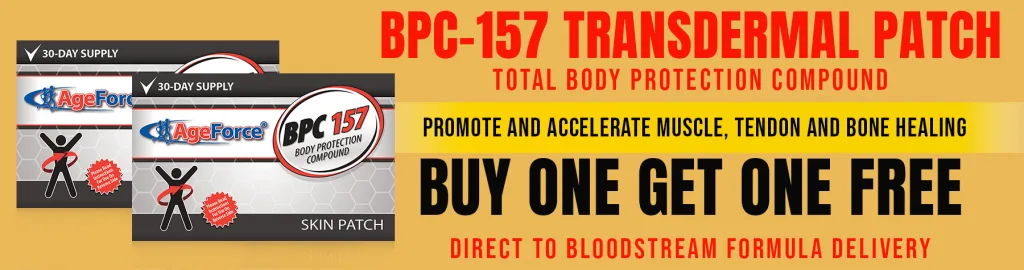
Ageforce offers transdermal patches for BPC-157 that are
proven to be effective. These patches are 99 percent pure, and come in a 1 mg
dosage. However, because it is absorbed through the bloodstream, only about .5
milligrams of the supplement is actually absorbed by the body, making it an
ideal way to receive this supplement.
If you are looking for healthy alternatives to prevent symptoms and inflammation from Crohn’s and want to limit the number of pharmaceutical medications that you take, BPC-157 and similar supplements are the best option. These patches and supplements are not expensive when compared to the number of pharmaceuticals that they can eliminate from your regime.