Are you dealing with inflammatory bowel disease? Did
medications cause ulcers and other gut problems, such as nausea and bloating?
If the answer is yes, you might be seeking formulas that could help you restore
optimal gut balance. The secret could lie in using BPC 157, which is a gastric
juice.
The human body naturally produces this protective compound.
Its task is to keep our gut and other parts of the body safe from threatening
factors. Let’s take a look at the connection between BPC 157 and gut healing and
how this compound can help if you are dealing with GI issues.
What Are Ulcers?
Ulcers are a common problem compromising gut health in the
human body. These are lesions or open sores that can appear in different
places. [1] A lesion formed in the stomach’s lining is a peptic ulcer. Gastric
ulcers can form in your stomach, and duodenal lesions are located in the
duodenum.
The most frequent cause of ulcers is a bacterial infection,
especially from Helicobacter pylori. These bacteria damage the mucus that protects
your stomach. Once the mucus becomes weak, it can’t resist pepsin and acid and
their damaging properties. That is how ulcers form.
Other causes of ulcers include too much pepsin and acid for
the mucus to hold, as well as prolonged use of NSAIDs.
The most common symptoms include bloating, anemia, vomiting,
and nausea. Other signs could be loss of appetite and weight, belching, anemia,
weakness, and tiredness.
Is BPC 157 Helpful in Healing Ulcers?
The short answer is yes. BPC 157 can help to deal with
ulcers and other problems in the gastrointestinal tract. A study conducted in
2011 confirmed this gastric peptide as a novel therapy in the GI tract. [2]
Researchers confirm the anti-ulcer properties on the BPC 157, and it has a positive
effect on promoting gut balance and health.
According to the study, the compound reduces the size of the
ulcers gradually. It does that by strengthening the intestinal wall. By helping
it to heal, the peptide ensures it can deal with ulcers. It is a so-called
win-win situation because BPC 157 helps you to deal with ulcers and also heals
the intestinal wall.
Can BPC 157 Counteract NSAID Toxicity?
NSAID stands short for non-steroidal anti-inflammatory
drugs. [3] It is a group of medications that serves to deal with fevers, pains,
and aches. People use them for a wide range of problems, from arthritis pain to
headaches and fever. The most frequently used NSAIDs include ibuprofen,
aspirin, naproxen sodium, etc.
However, NSAIDs come with various side effects. Most of them
influence the gastrointestinal tract and can cause bloating, nausea, heartburn,
gas, diarrhea, and vomiting. The more NSAIDs you use, the bigger risk of side
effects appearing. That is where BPC 157 comes into play.
Since this peptide is a body protective compound, it works
on protecting your body. That includes preserving the gastrointestinal tract
from the side effects of NSAIDs. A study published in 2013 confirm that BPC 157
can counteract the toxicity of these medications. [4] The study confirms the
antidote characteristics of this peptide when dealing with the side effects of
BPC 157.
It indicates that this compound can help to deal with nausea
and bloating that NSAIDs can cause. Additionally, it can help to heal your gut
and maintain optimal gut balance.
Can You Use BPC 157 for Crohn’s Disease?
Crohn’s disease is a chronic condition and an auto-immune
type of inflammatory bowel disease. [5] The condition frequently attacks the
small intestine, although inflammation can also happen in the stomach,
esophagus, and colon. The bowel tissue is affected by Crohn’s disease. The
symptoms include abdominal pain and cramping, diarrhea, fatigue, bleeding
during bowel movements, etc.
Although Crohn’s disease is a chronic condition, there are
ways how BPC 157 can help. For starters, Crohn’s can lead to ulcers, and we
already established that BPC 157 can assist in dealing with them. [2]
Additionally, the body protective compound can be beneficial in promoting
fistula healing. [6] The studies have only been performed on animals so far,
but the results are promising.
Ulcerative Colitis and BPC 157
Ulcerative colitis is the second most common IBD type, along
with Crohn’s disease. The condition is a chronic inflammation of the colon and
rectum occurring in the intestinal wall. [7] the condition causes stomach pain,
loose stool, and frequent bowel movements and diarrhea. Apart from a healthy
diet and lifestyle, BPC 157 can play a role in managing the symptoms of
ulcerative colitis.
According to a study conducted in 2012, there are no side
effects of using BPC 157. [8] It is a gastric juice that the human body
produces, and it can be helpful for both lower and upper GI tract problems. The
healing properties of the peptide are crucial for dealing with ulcerative
colitis and its symptoms.
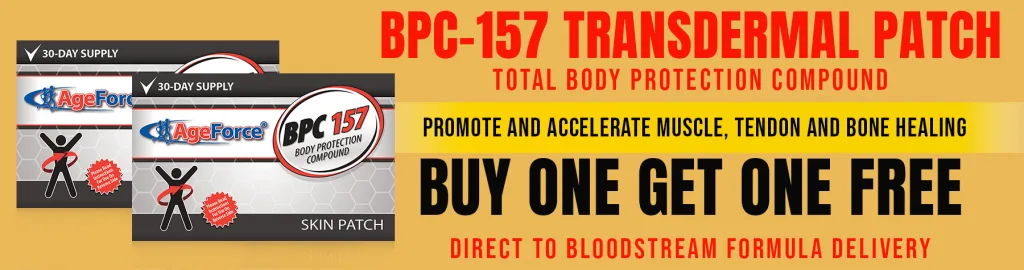
What Is the Best Way to Take BPC 157?
You have various options when it comes to taking BPC 157.
That includes injections, oral, and transdermal administrations. While
injections can be painful and a hassle, some people don’t like swallowing big
capsules. That is why most people consider transdermal drug delivery to be the
best option. Applying the patch is easy and only takes attaching the product to
your skin by using the adhesive provided.
Since administering the peptide through the skin also increases
absorption, that means you can maximize the effectiveness of BPC 157 for gut
healing this way. Patches secure the gradual release and transfer the peptide
directly into the bloodstream.
The only thing to ensure is that you stick to the
instructions provided by the manufacturer. It is important to stay within the
recommended ranges of using BPC 157 for optimal effectiveness. Transdermal
patches will ensure precise daily delivery of the compound.
Apart from promoting gut healing and balance, this compound
can assist in healing other damaged organs. It can even contribute to overall
brain health by supporting optimal cognitive function and keeping cells safe
from damage.
References:
- https://www.beaumont.org/conditions/stomach-duodenal-ulcers
- https://www.ncbi.nlm.nih.gov/pubmed/21548867
- https://my.clevelandclinic.org/health/drugs/11086-non-steroidal-anti-inflammatory-medicines-nsaids
- https://www.ncbi.nlm.nih.gov/pubmed/22950504
- https://gutscharity.org.uk/advice-and-information/conditions/crohns-disease/
- https://www.researchgate.net/publication/23281849_Pentadecapeptide_BPC_157_in_Clinical_Trials_as_a_Therapy_for_Inflammatory_Bowel_Disease_PL14736_Is_Effective_in_the_Healing_of_Colocutaneous_Fistulas_in_Rats_Role_of_the_Nitric_Oxide-System
- https://fascrs.org/patients/diseases-and-conditions/a-z/ulcerative-colitis
- https://www.ncbi.nlm.nih.gov/pubmed/22300085