As humans age, their bodies naturally slow the production of important hormones like estrogen, testosterone, insulin, cortisone, and the important DHEA. Without these hormones, you can start to experience physical weakness and a variety of other symptoms caused by low hormone production. In your body, DHEA, which stands for dehydroepiandrosterone, is one of the most important because it is responsible for stimulating the production of other hormones like testosterone. As the adrenal gland produces less of DHEA, you can experience common symptoms that can be a warning sign of your body slowing down.
To fully figure out whether or not someone has low DHEA, a test
needs to be done to determine the amount of hormone present in the blood
stream. However, there are numerous symptoms that coincide with the issue.
These can be treated by improving the amount of DHEA being produced by the
adrenal gland through a variety of methods, including patches, pills, and the
injection of a synthetic hormone.
But how can someone figure out when DHEA is low? What are the
signs a person should look for? In total, there are about six major symptoms to
watch out for: low muscle mass, sexual dysfunction, fatigue, reduced libido,
osteoporosis, and increased body fat.
Diminished Muscularity
Diminished muscularity is one of the most common low DHEA
symptoms to affect both men and women. This is because DHEA is responsible for
sending signals to produce more testosterone, which is important for developing
muscle in both men and women. This is how men produce far more muscle than
women. So, if someone notices they are losing muscle mass despite exercising
and eating well, it’s a classic example of muscular atrophy that needs to be
addressed.
Sexual Dysfunction
Sexual dysfunction is a common issue among aging men and
women because they are lacking estrogen, testosterone, and other significant
hormones. Thus, one of the most familiar low DHEA symptoms is the inability to
get aroused or orgasm. This is because there isn’t enough DHEA to increase the
amount of testosterone and estrogen. Sexual dysfunction can take a number of
forms, although the most common are erectile dysfunction, an ability for women
to produce discharge and lubrication, and the inability to orgasm. While it is
possible to boost estrogen and testosterone
through a healthy diet, it is still important to make sure that DHEA is
stable.
Fatigue
It can be difficult for the average person to figure out whether
or not they are suffering from fatigue because of low DHEA. Usually, a doctor
will need to perform a blood test to determine the exact amount of hormone
present in the blood. However, steps can still be taken to address potential
hormone imbalances. Quite a few people start to use patches to improve overall
hormone production, while others switch up their diet, exercise more, and
ensure they are getting enough rest.

Chronic fatigue can be difficult to identify as a low DHEA
symptoms, but there are some common elements to look for. In particular, the
fatigue should be occurring on an almost daily basis and include physical and
mental tiredness. It often feels like you’re not getting enough sleep and are
struggling to fulfill basic tasks. If this is the case, your hormones might be
out of whack.
Reduced Libido
Reduced libido is different from sexual dysfunction. When someone
talks about sexual dysfunction, they are usually referring to the inability to
get aroused at all or orgasm. When someone has a reduced libido, there simply
is no drive for sex. The sex drive naturally lessens as humans age in part
because of the low amount of testosterone produced by the glands. However, the
root cause of this low testosterone can be diminished DHEA production, making
reduced libido a significant symptom of this issue.
While estrogen and testosterone can be produced and increased
naturally, if the underlying issue is low DHEA, there will still be other
effects. One of the most likely to strike an aging individual is reduced bone
density, which can cause major injuries down the road.
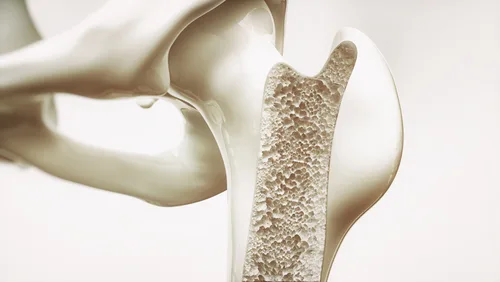
Osteoporosis or Reduced Bone Density
A major sign of reduced or low DHEA production is the development
of osteoporosis or reduced bone density, which makes the bones more brittle and
prone to breaking. These breaks often occur around the joints, with the most
common places being the hip, wrist, and spine. Women are more prone to this
symptom, especially if they are of European or Asian heritage. The best way to
reduce the risk of osteoporosis from low DHEA is to use supplemental products like
the Age Force DHEA Skin
Patch for Men & Women. This product improves the amount of DHEA
entering the body, which stimulates the adrenal gland to produce more of the necessary
hormones to increase bone density and stave off future issues.
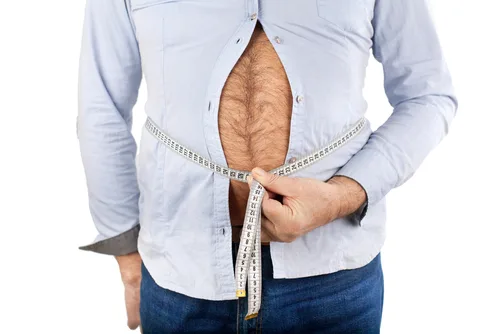
Increased Body Fat
Few people realize the significant medical role body fat and
hormones can play with one another. When someone possesses too much body fat or
a high BMI, that fat is capable of producing hormones like estrogen that mess
up the body. Likewise, hormones can affect how much fat is stored around the
body. When someone has low DHEA, one of the first symptoms can be unusual fat
storage caused by a lower metabolism, as well as the aforementioned decreased
muscle mass.
It’s important to note that low DHEA will not cause someone
to gain one hundred pounds. It can, however, cause a sharp increase of between
ten and twenty pounds, according to Harvard
Health Publishing. This fat is primarily stored in the stomach and around
the organs, where it can wreak havoc on the body and affect physical
appearance.
Conclusion
As you can see from all of these low DHEA symptoms, it’s
important to ensure your adrenal gland is producing the proper hormones as you
age. DHEA is an exceptionally significant hormone since it tells your body to
produce others, including the ever necessary estrogen and testosterone. If you
suspect your DHEA might be suffering, it’s time to take your body back through
treatment, activity, and the use of supplemental products like patches and
vitamins.