IGF-1 is an anabolic hormone scientifically shown to increase the mass of various body tissues, including overall muscle. IGF-1 stands for Insulin Growth-Like Factor 1, which means the hormone possesses a similar chemical structure to the hormone insulin, which is necessary for the absorption and use of sugars in the human body. Whether or not IGF-1 is beneficial and safe for those interested in bodybuilding has been a subject of great debate and concern for the last few years, leading many to wonder whether or not it can be incorporated in their regular routines. After all, the goal of bodybuilding is to build the body.
Studies indicated IGF-1 can be highly beneficial to
weightlifters as well as runners due to its effects on human muscle. The
hormone not only increases muscle growth but also stimulates the production of
new muscle cells, resulting in bigger, more powerful muscles. In addition to
this effect, IGF-1 has also been shown to have a positive outcome on cartilage
and connective tissue repairs, resulting in shorter periods of downtime due to
injuries.

Even better for many bodybuilders is the fact that IGF-1
does not have the same effects as using steroids. While muscle growth occurs,
it is not to an extreme degree. IGF-1 use is also one of the only know
injections currently available that results in hyperplasia, or the production
of new muscle cells. So, IGF-1 works the best for individuals who are trying to
strengthen and develop new muscle, not just work out old ones that already
exist.
Using IGF-1 Effectively
To use IGF-1 effectively, there needs to be a method for the
hormone to enter the bloodstream and safely enact its processes within the
human body. In many cases, injections are the preferred approach because a
controlled amount enters the body. However, recent work with transdermal
patches means products like the Ageforce IGF-1 + MGF Skin
Patch are safe to use and can actually provide a more stable amount of
hormone to the body, resulting in ideal muscle development.
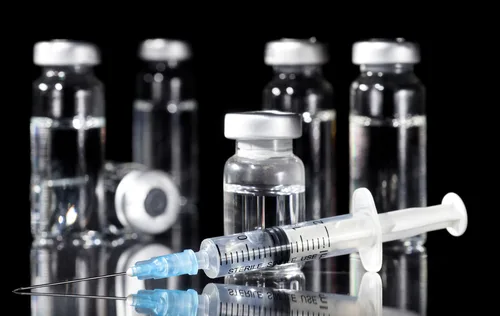
If you’re considering using IGF-1, remember that it is an
anabolic hormone that comes with some risks. People who overuse IGF-1 put
themselves at
a greater risk of developing certain forms of cancer because the hormone is
overactive and affecting the body. For best results in IGF-1 bodybuilding,
remember to only use controlled amounts on a sparing basis. This means you get
the most out of IGF-1 bodybuilding without compromising your health for the
sake of aesthetics.
It should be noted once again that IGF-1 is NOT a steroid
and will not pose the same risks as well-known anabolic steroids, which have
plagued many members of the bodybuilding community for years. One significant
difference is that anabolic steroids are synthetic creations designed to mimic
testosterone, the hormone responsible for muscle development and common in
large amounts in most human males, while IGF-1 is a hormone naturally produced
by the body.
Anabolic Steroids
Anabolic steroids are regularly
monitored by federal regulatory commissions for health, wellness, and fair
sporting activity. Some of their common side effects include paranoia, delusional
behavior, heightened aggression, impaired judgment, kidney damage and failure,
liver damage and tumors, blood clots, high risk of stroke, an enlarged heart,
shrunken testes, baldness, stunted growth, and the cessation of the female
menstrual cycle. It’s a lot to take in, isn’t it?
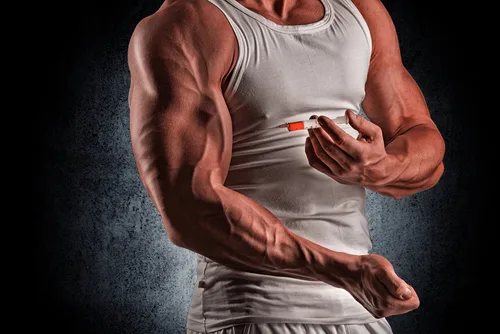
When bodybuilders use an anabolic hormone like IGF-1 in low
amounts, they are avoiding many of these terrifying threats to their health and
wellness. However, if you are considering IGF-1 for bodybuilding, remember that
it does come with risks and make sure you know the amount you are putting in
your body. Overusing such products can rapidly result in organ failure,
diabetic coma (even among non-diabetics), and even death.
So, should you consider using IGF-1 to improve
muscle development and get an edge in bodybuilding? So long as you remain aware
of the inherent risks and remember to be careful about using the right amounts
of the anabolic hormone, you might see an improvement in muscle strength and
mass development. Transdermal patches are far easier to use than injections,
and also allow for a more controlled release into the bloodstream so the