
What Causes Crohn’s Disease?
The exact cause of Crohn’s disease is currently unknown.
Is Crohn’s disease an autoimmune disease?
Many seem to believe so.
While the immune system is thought to play a significant role in Crohn’s, this has not yet been verified. There are many theories about what leads someone to develop the disease, but no single theory has been proven. However, there are many possible causes and understanding them is helpful in treating the disease.
Currently, researchers believe that Crohn’s disease is caused by some combination of genetics, immune system issues, and environmental factors. Immune system issues have been linked to all inflammatory bowel diseases (IBDs), not just Crohn’s. The immune system reacts to foreign microbes, but a healthy one does not attack healthy microbes that naturally occur in the digestive tract. When the immune system responds like this, it causes inflammation. But in the case of Crohn’s, the inflammatory response of the immune system does not seem to stop.
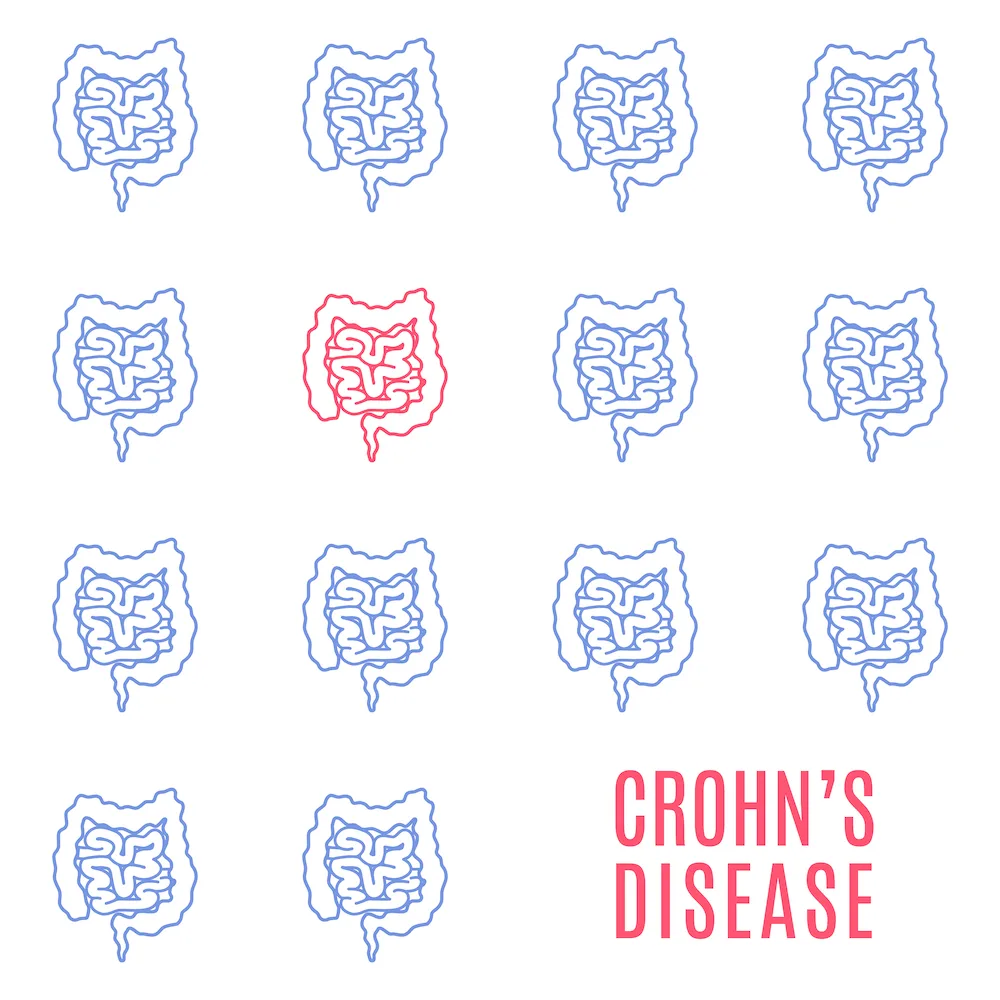
Over time, Crohn’s leads to ulcers, intestinal damage, and can even lead to life-threatening conditions. Serious complications that can arise from Crohn’s include an increased risk of colorectal cancer, intestinal blockage, and hemorrhages. This is why it is vital to treat Crohn’s disease to slow its progress.
BPC-157 and Crohn’s Disease
Sheila
is a 22-year-old woman who was recently diagnosed with Crohn’s disease after
experiencing painful abdominal cramps and diarrhea. Her doctors are concerned
because the lining of her intestines is seriously inflamed.
They
prescribe a series of steroid shots and a BPC-157 supplement. To Sheila’s
surprise, her swelling goes down and her pain is relieved. Her doctors
attribute it to her vigorous anti-inflammatory treatment, including the
BPC-157.
BPC-157
is a pentadecapeptide made up of amino acids. The compound is stable in human
gastric juice. While these amino acids occur separately in very small amounts
in the body, BPC-157 is a synthetic compound.
Numerous clinically proven treatments exist for Crohn’s disease, including immunosuppressants and steroids. Increasingly, BPC-157 shows evidence that it may also help treat Crohn’s and other IBDs.
BPC-157 seems to have a number of health benefits throughout the body, including treating intestinal and muscular problems. This includes issues associated with IBDs. While BPC-157 is still undergoing human clinical trials, researchers have tested it on lab mice and it improved their conditions.
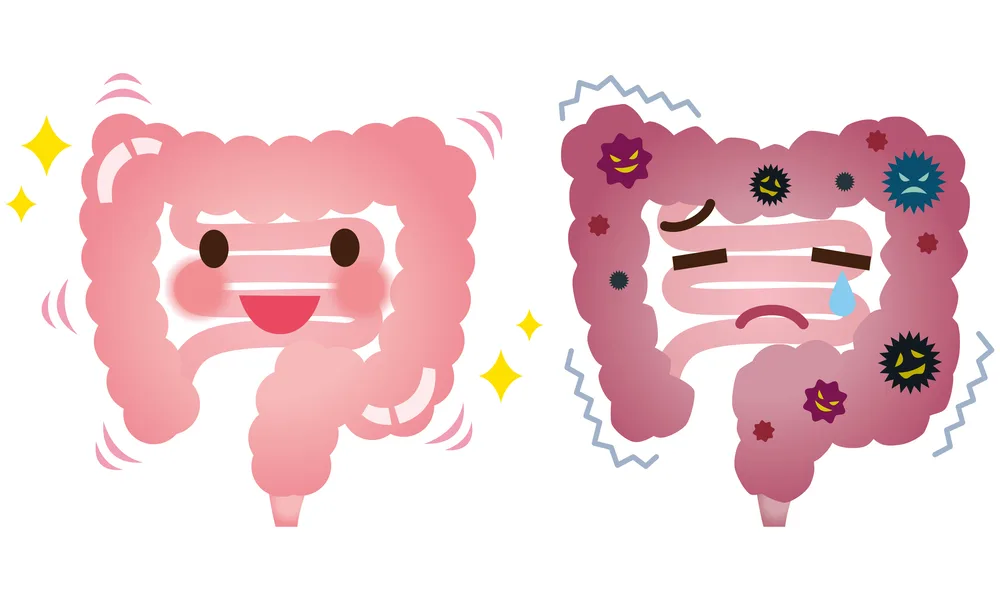
BPC-157 may be able to help treat IBDs generally, reducing patients’ symptoms and their risk of developing serious complications. It is particularly effective at treating inflammation, especially in the gastrointestinal tract. Crohn’s disease can cause ulcers and other painful wounds in the intestines. Therefore, BPC-157 is ideal for providing remission and relief.
AgeForce’s BPC-157 skin patches treat
inflammation associated with diseases like Crohn’s disease. If you are
interested in learning more about how our skin patches can help you, log on to
our website to find out more about AgeForce and BPC-157.